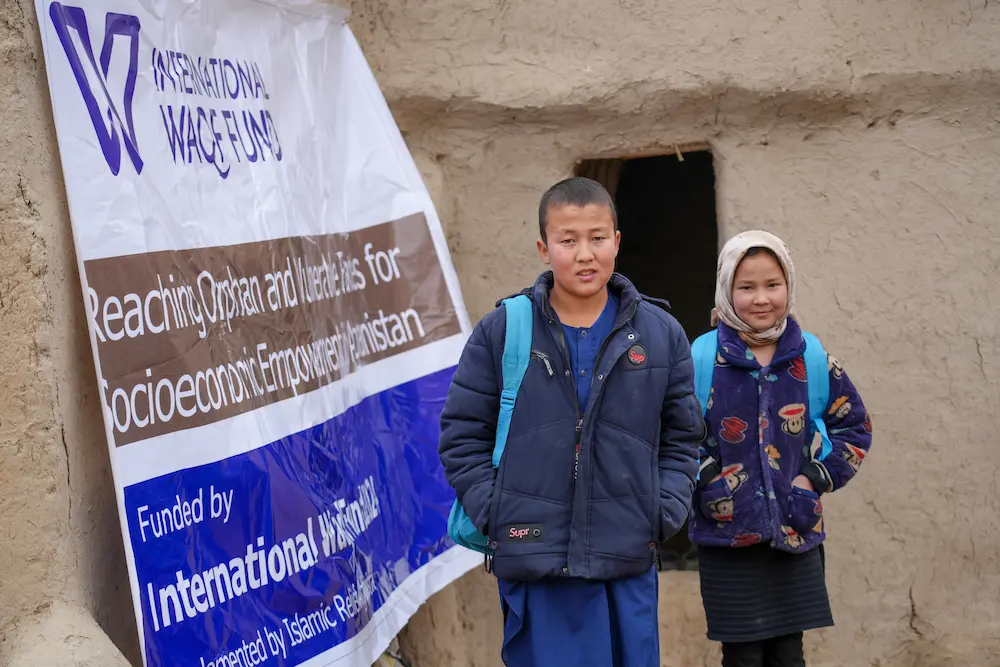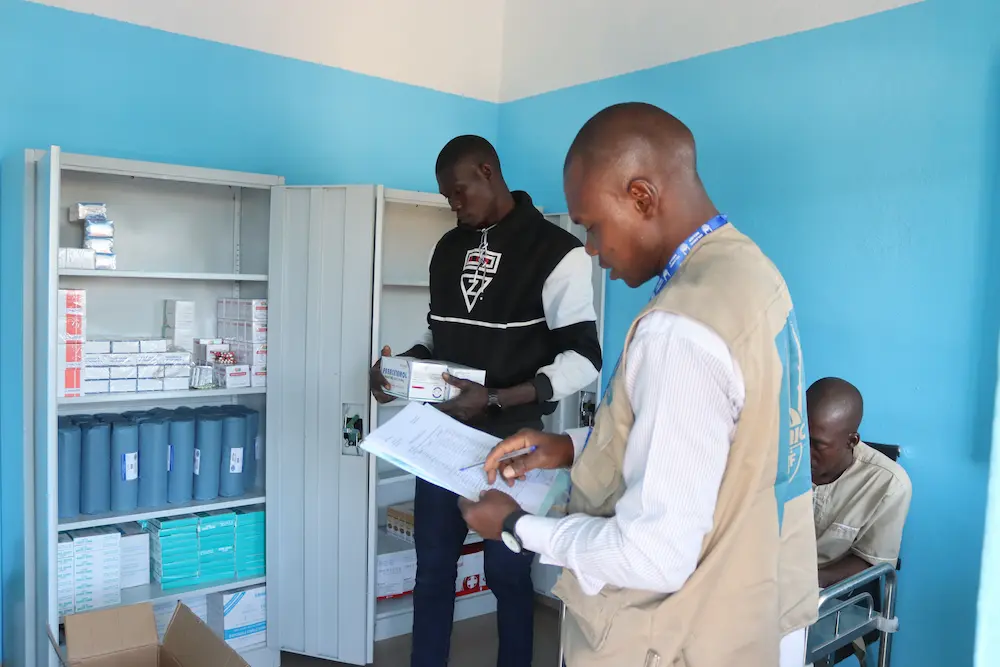
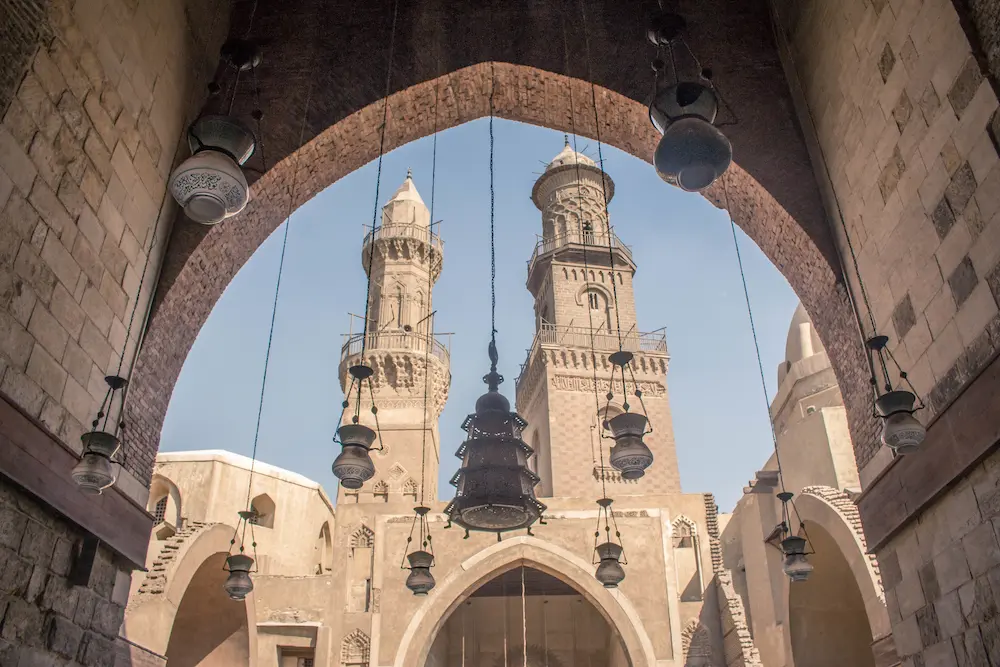
Waqf is one of the greatest avenues of good in Islam, and it is a true investment for the Hereafter whose benefit continues even after death. In our current era, Islamic waqf has become an effective means of helping millions of people in need around the world, while simultaneously ensuring a renewable and unending reward for the donor.
What is Waqf in Islam?
Linguistic and Legal Definition
Waqf linguistically: Restraint and prevention. It is said: I restrained something, meaning I held it back.
Waqf legally: It is restraining the principal asset and making its benefit continuous. This means withholding the endowed property from disposal through sale, gift, or inheritance, while continuing to benefit from it or its yield for charitable purposes.
Illustrative Example
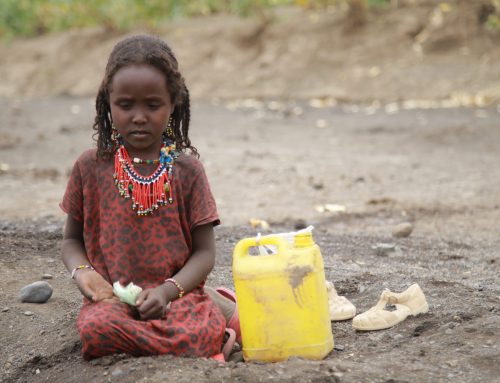
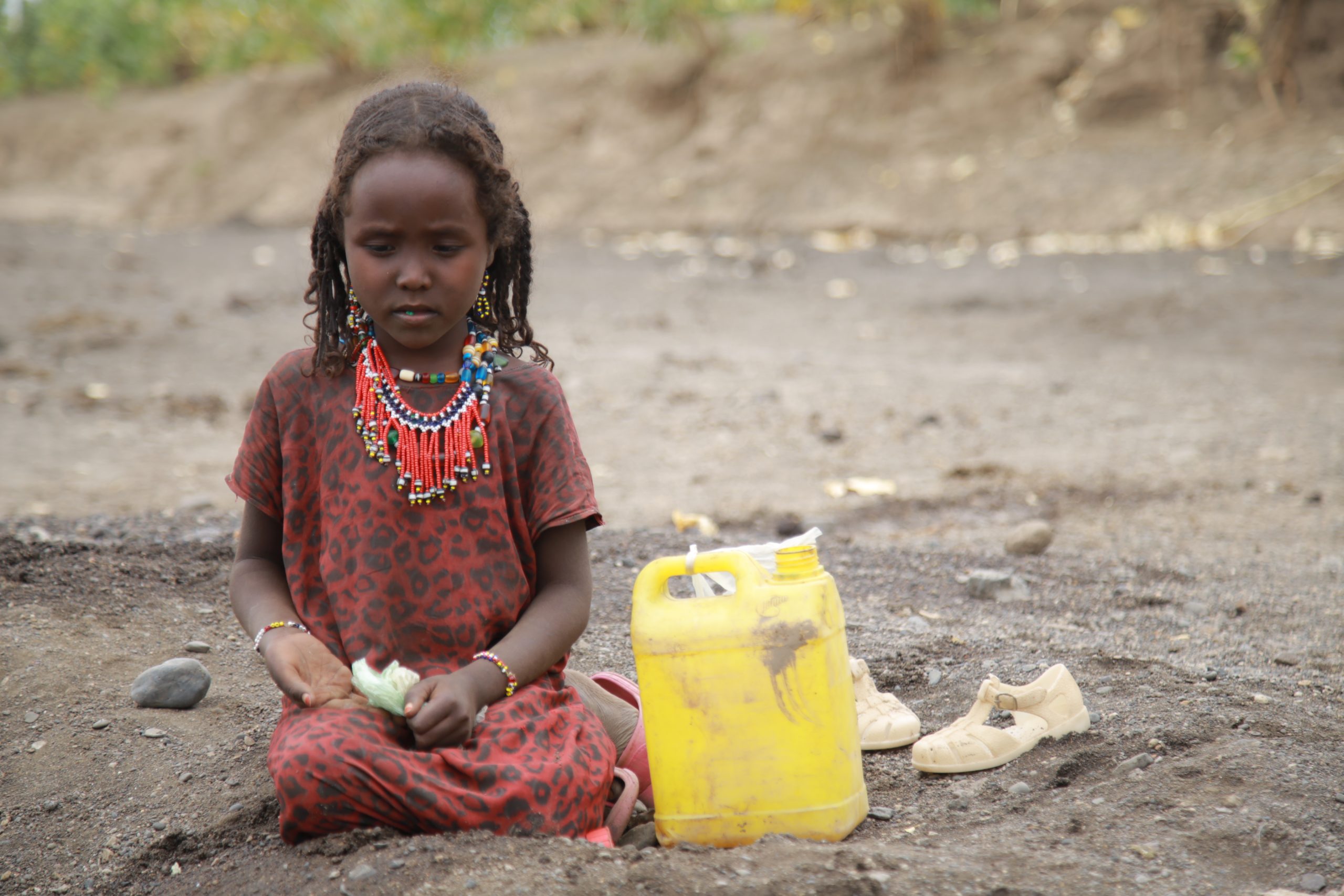
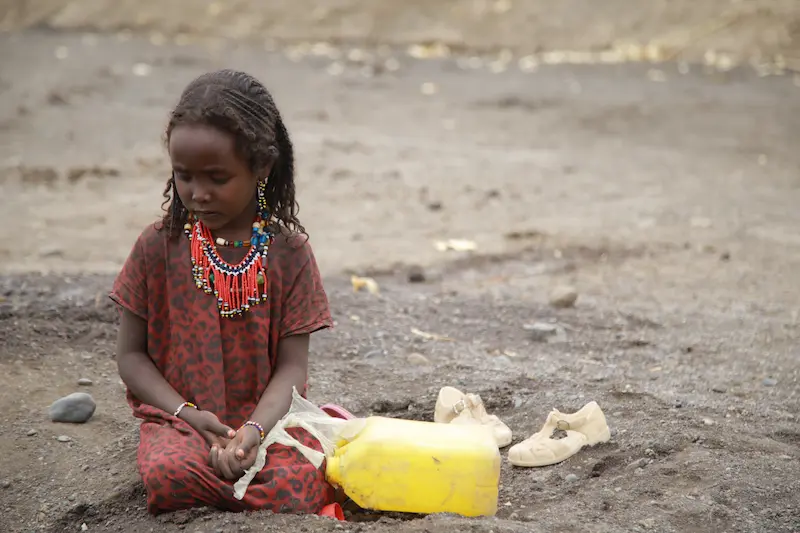
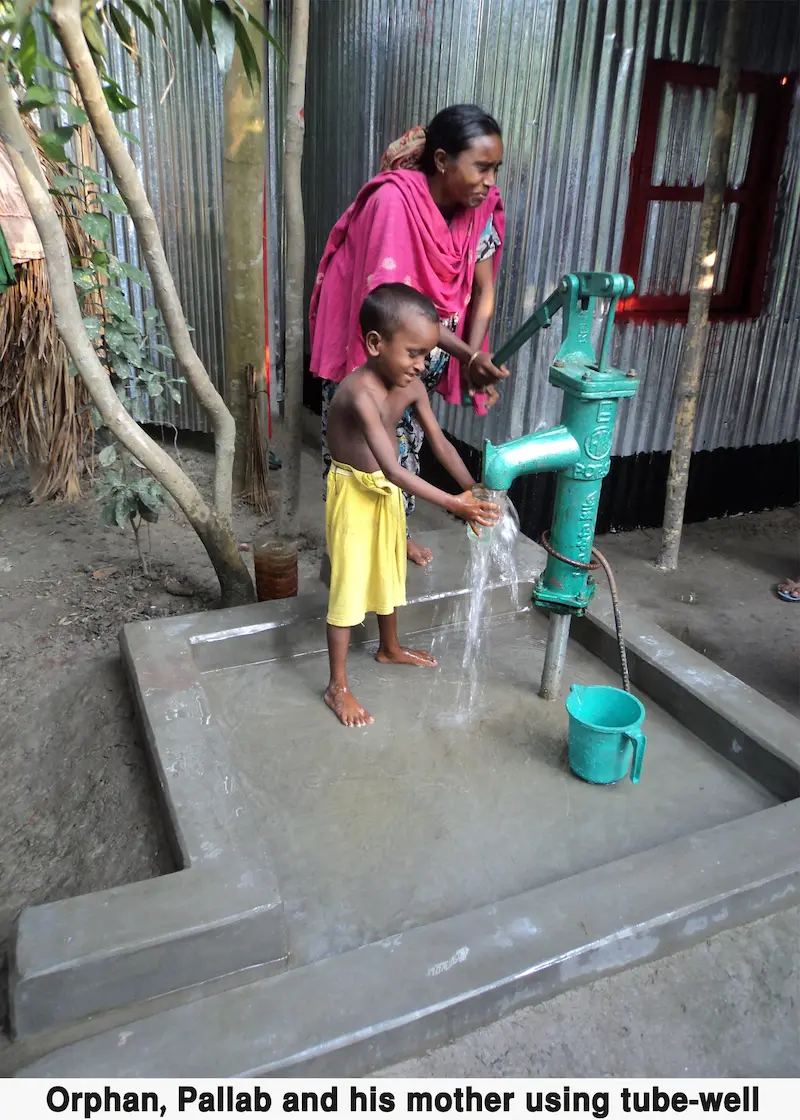
If someone endows a water well, the well itself (the principal) cannot be sold or inherited, but the water that flows from it (the benefit) is used by people and animals, and every drop of water drunk is recorded as a good deed for the endower even after their death.
Prophetic Hadiths on the Virtue of Waqf
1. Hadith of Ongoing Charity (The Foundation of Waqf)
Narrated by Abu Hurairah (may Allah be pleased with him) that the Messenger of Allah ﷺ said: “When a person dies, his deeds come to an end except for three: ongoing charity (Sadaqah Jariyah), knowledge from which benefit is derived, or a righteous child who prays for him” (Narrated by Muslim)
Benefit: This hadith is the legal foundation for waqf. Ongoing charity is everything from which people benefit after the donor’s death, and waqf is one of its greatest forms.
2. Hadith of the Well of Rumah (The First Waqf in Islam)
Narrated by Uthman ibn Affan (may Allah be pleased with him): When the Prophet ﷺ arrived in Madinah, there was no sweet water except the well of Rumah. He said: “Who will buy the well of Rumah and place his bucket with the buckets of the Muslims, and for him is better than it in Paradise?” So Uthman (may Allah be pleased with him) bought it with his own wealth and endowed it for the Muslims (Narrated by Bukhari and An-Nasa’i)
Benefit: This is the first waqf in Islam. The well of Rumah still exists in Madinah to this day, and its reward is still being recorded for Uthman (may Allah be pleased with him) after more than 1,400 years!
3. Hadith of Umar ibn Al-Khattab’s Waqf
Narrated by Ibn Umar (may Allah be pleased with them both): Umar acquired land in Khaybar and came to the Prophet ﷺ saying: I have acquired land that I have never acquired property more precious to me than it, so how do you command me regarding it? He said: “If you wish, restrain its principal and give its produce as charity.” So Umar gave it as charity stipulating that its principal should not be sold, gifted, or inherited, for the poor, relatives, slaves, in the way of Allah, guests, and travelers (Narrated by Bukhari and Muslim)
Benefit: This hadith clearly shows the conditions of waqf: restraining the principal, making the benefit continuous, and prohibiting sale or inheritance.
4. Hadith of Abu Talhah’s Waqf
Narrated by Anas (may Allah be pleased with him): Abu Talhah was the wealthiest of the Ansar in Madinah in terms of palm trees, and the most beloved of his properties was Bayruha, which faced the mosque. When the verse “You will never attain righteousness until you spend from that which you love” was revealed, Abu Talhah went to the Messenger of Allah ﷺ and said: O Messenger of Allah, the most beloved of my properties to me is Bayruha, and it is charity for Allah. The Prophet ﷺ said: “Excellent! That is profitable wealth, that is profitable wealth. I have heard what you said, and I think you should give it to your relatives” (Narrated by Bukhari and Muslim)
Benefit: Waqf for needy relatives has tremendous reward, as it is both charity and maintaining family ties.
5. Hadith of Building Mosques
Narrated by Uthman ibn Affan (may Allah be pleased with him): I heard the Messenger of Allah ﷺ say: “Whoever builds a mosque for Allah, Allah will build for him the like of it in Paradise” (Narrated by Bukhari and Muslim)
In another narration: “Whoever builds a mosque seeking Allah’s pleasure, Allah will build for him a house in Paradise” (Narrated by Muslim)
Benefit: Building mosques is one of the greatest forms of waqf, and every prayer performed in it is in your scale of good deeds.
6. Hadith of Providing Water
Narrated by Sa’d ibn Ubadah (may Allah be pleased with him): I said: O Messenger of Allah, my mother has died, shall I give charity on her behalf? He said: “Yes.” I said: What charity is best? He said: “Providing water” (Narrated by An-Nasa’i and Abu Dawud, authenticated by Al-Albani)
Benefit: Digging wells and endowing them is among the greatest acts of devotion, and every drink of water from them is in your scale.
7. Hadith of the Dog That Drank from the Well
Narrated by Abu Hurairah (may Allah be pleased with him) that the Messenger of Allah ﷺ said: “While a man was walking, he became very thirsty, so he descended into a well and drank from it. Then he came out and saw a dog panting and eating mud from thirst. He said: This dog has reached the same state I reached. So he filled his shoe, held it in his mouth, climbed up and gave the dog water to drink. Allah appreciated his deed and forgave him.” They said: O Messenger of Allah, do we have a reward for animals? He said: “There is a reward for every living being” (Narrated by Bukhari and Muslim)
Benefit: Even giving animals water from waqf has tremendous reward, so how much more for giving humans water!
The Importance of Islamic Waqf
1. Continuous Reward After Death
Waqf is the only investment whose reward does not cease after your death. Every day that passes, every prayer performed in a mosque you endowed, every drop of water from a well you dug, every student who learns in a school you built – all of it is in your scale of good deeds.
2. Solution to Sustainable Community Problems
Waqf solves problems permanently, not temporarily:
Water: Instead of distributing water bottles that run out, digging a well that lasts for decades Education: Instead of paying tuition for one student, building a school that serves thousands of students Health: Instead of treating one patient, building a clinic that serves the entire village
3. Achieving Social Solidarity
Waqf ensures continuous support for vulnerable groups in society without the need to request assistance each time.
4. Following the Example of the Companions and Predecessors
All the Companions (may Allah be pleased with them) had endowments, and they competed in this great avenue of good.
Why Choose Our Platform for Your Waqf?
1. Complete Transparency
- Monthly financial reports
- Photos and videos from the field
- Direct contact numbers
2. Experience and Credibility
- Years of charitable work
- Thousands of completed projects
- Certified credentials and licenses
3. Diversity in Projects
- Projects in more than 30 countries
- Coverage of all sectors (water, education, health, orphans)
- Options for all budgets
4. Continuous Follow-up
- Professional field team
- Detailed reports
- Direct communication capability
5. Guaranteed Reward
- Real and impactful projects
- Continuity of benefit
- Testimonials from beneficiaries
Start Your Waqf Today
- Browse our projects and choose what suits you
- Determine the amount you can afford
- Donate now through the website