When is Eid al-Fitr 2026?
Astronomical calculations indicate that Ramadan 1447 AH will last 29 days. Accordingly, Friday 20 March 2026, corresponding to 1 Shawwal 1447 AH, is expected to be the first day of Eid al-Fitr, subject to the sighting of the Shawwal crescent on the evening of Thursday 19 March 2026. The final determination always rests with the official moon-sighting committees and fatwa councils in each country.
What is Eid al-Fitr?
Eid al-Fitr is the first day of the month of Shawwal, and one of the two celebrations that Allah has ordained for this Ummah.
Anas ibn Malik (may Allah be pleased with him) narrated: “The Messenger of Allah ﷺ arrived in Madinah and found the people celebrating two days. He asked: ‘What are these two days?’ They said: ‘We used to celebrate them in the days of ignorance.’ He ﷺ said: ‘Allah has replaced them for you with something better — the Day of Adha and the Day of Fitr.'” — Narrated by Abu Dawud.
It is a day of joy, gratitude, and thankfulness to Allah for the blessing of completing the fast and the night prayers throughout Ramadan.
Eid al-Fitr Prayer 2026 — Time and Method
Time of the Eid Prayer
The Eid prayer begins when the sun has risen to the height of a spear — approximately fifteen minutes after sunrise — and extends until midday.
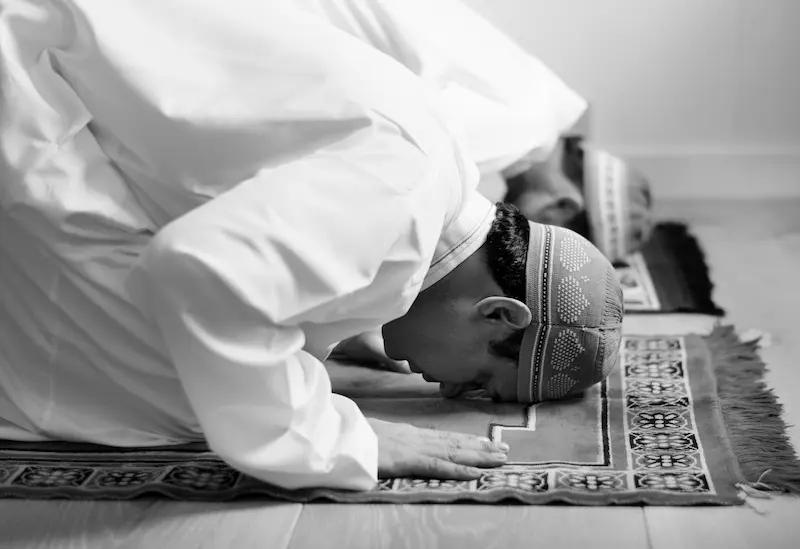
How to Perform the Eid Prayer
The Eid prayer consists of two rak’ahs: seven takbeers in the first after the opening takbeer, and five takbeers in the second before the recitation. The sermon is delivered after the prayer, not before it — which distinguishes it from the Friday prayer.
Going Out for the Eid Prayer
It is recommended to go early to the prayer ground, and to take one route there and return by a different one, following the guidance of the Prophet ﷺ.
Jabir ibn Abdullah (may Allah be pleased with him) narrated: “The Prophet ﷺ used to take different routes on the day of Eid.” — Narrated by Al-Bukhari.
Takbeers of Eid al-Fitr 2026
Among the most prominent rituals of Eid al-Fitr is the raising of the takbeer and tahleel, proclaiming the greatness of Allah and giving thanks to Him. Allah the Almighty says:
“And so that you may complete the prescribed period, and glorify Allah for having guided you, and perhaps you will be grateful.” — Al-Baqarah: 185.
The established wording of the takbeer is: “Allahu Akbar, Allahu Akbar, La ilaha illa Allah, Allahu Akbar, Allahu Akbar, wa lillahi al-hamd.” (Allah is the Greatest, Allah is the Greatest, there is no god but Allah, Allah is the Greatest, Allah is the Greatest, and to Allah belongs all praise.)
The time for takbeer begins at sunset on the last day of Ramadan and continues until the conclusion of the Eid prayer sermon.
Etiquettes and Sunnah Acts of Eid al-Fitr 2026
Eid is a day with established etiquettes and Sunnah practices that every Muslim should observe:
Bathing, wearing perfume, and dressing well: Ibn Umar (may Allah be pleased with him and his father) used to bathe on the day of Eid al-Fitr before going out to the prayer ground — narrated by Malik in Al-Muwatta.
Eating before going out: It is Sunnah to eat before leaving for the Eid al-Fitr prayer, to mark the distinction from fasting.
Anas (may Allah be pleased with him) narrated: “The Messenger of Allah ﷺ would not go out on the morning of Eid al-Fitr until he had eaten some dates.” — Narrated by Al-Bukhari.
Exchanging Eid greetings: Imam Ahmad said there is no harm in saying “Taqabbal Allahu minna wa minkum” (May Allah accept from us and from you). The Companions (may Allah be pleased with them all) used to exchange this greeting with one another.
Maintaining family ties and visiting relatives: Eid is an occasion to strengthen bonds and renew the spirit of love and affection among Muslims.
Eid al-Fitr and Waqf: A Joy That Never Ends
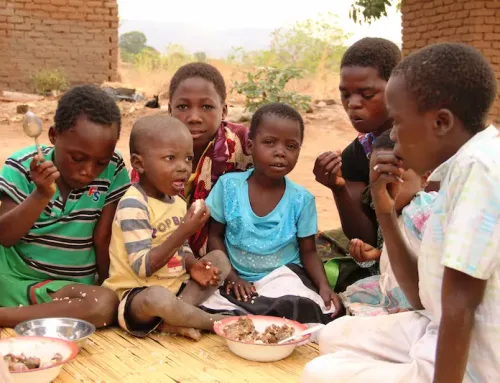
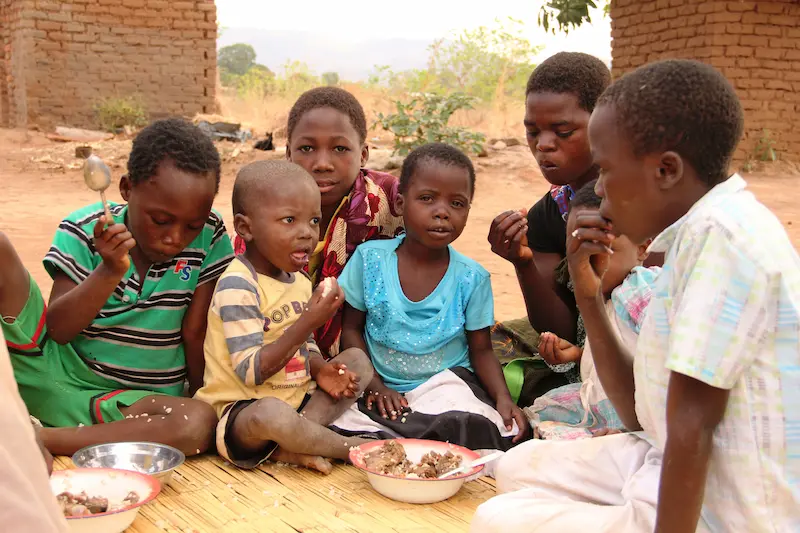
Eid is a day of giving and celebration. Just as we bring joy to our families and loved ones, we can also bring it to those in need across the world. The International Waqf Fund gives you the opportunity to make your joy this Eid a joy for entire families, not just for a single day, but for years to come — through sustainable Waqf projects in education, clean water, healthcare, and orphan sponsorship.
Giving on the day of Eid is a great act of charity, and Waqf is a Sadaqah Jariyah — an ongoing charity that continues to bring reward even after death, as the Prophet ﷺ said:
“When a person dies, all their deeds come to an end except three: ongoing charity, beneficial knowledge, or a righteous child who prays for them.” — Narrated by Muslim.