
Zakat al-Fitr is an obligatory duty enjoined by the Messenger of Allah ﷺ upon every Muslim. It is one of the greatest acts of worship in Ramadan, combining the purification of the soul with meeting the needs of the poor.
Ibn Abbas (may Allah be pleased with him) narrated: “The Messenger of Allah ﷺ ordained Zakat al-Fitr to purify the fasting person from indecent words or actions, and to provide food for the needy.” — Narrated by Abu Dawud and Ibn Majah.
What is Zakat al-Fitr?
Zakat al-Fitr is a compulsory charity established by the Prophet ﷺ in the second year of Hijra, linked to the completion of the month of fasting and the Eid al-Fitr prayer.
Ibn Umar (may Allah be pleased with him and his father) reported: “The Messenger of Allah ﷺ made Zakat al-Fitr obligatory — one saa’ of dates or one saa’ of barley — upon every Muslim, free or slave, male or female, young or old.” — Agreed upon (Bukhari and Muslim).
How Much is Zakat al-Fitr 2026?
The prescribed amount of Zakat al-Fitr is one Prophetic Sa’a (ṣāʿ) of the staple food of one’s region, equivalent to approximately 2.5 kilograms of rice, wheat, dates, or barley. Its monetary value is determined annually by fatwa committees in each country, and generally ranges between 15 and 30 riyals or dinars, depending on the country.
Recognized Islamic institutions have set its financial value according to each country. In the United Kingdom, the minimum amount of Zakat al-Fitr is between £5 and £7 per person. In the United States, the amount ranges between $4.50 and $8.00 per person, depending on the average grain prices adopted by each organization.
Who Must Pay Zakat al-Fitr?
It is obligatory upon every Muslim who possesses food beyond their essential needs for themselves and those they are responsible for on the day and night of Eid. It is paid on behalf of oneself, one’s spouse, children, and all dependants whose expenses are one’s responsibility. The Prophet ﷺ indicated that it covers both young and old, saying: “Pay Zakat al-Fitr on behalf of those you provide for.” — Narrated by Al-Bayhaqi.

When to Pay Zakat al-Fitr 2026
There are three time periods that every Muslim should be aware of:
The Permissible Time: From the beginning of Ramadan until the night of Eid. It is permissible to pay it one or two days early, as was the practice of the Companions (may Allah be pleased with them all).
The Time of Obligation: At sunset on the last day of Ramadan — that is, the night of Eid al-Fitr.
The Recommended and Preferred Time: Immediately before the Eid prayer, as the Prophet ﷺ said: “Whoever pays it before the prayer, it is an accepted Zakat; whoever pays it after the prayer, it is merely a voluntary charity.” — Narrated by Abu Dawud and Ibn Majah.
Therefore, do not delay paying it after the Eid prayer without a valid excuse.
Is It Permissible to Pay Zakat al-Fitr in Cash?
Scholars have differed on this matter. The majority hold that it must be paid in food. However, Imam Abu Hanifa and Sheikh al-Islam Ibn Taymiyyah permitted paying it in cash when that is more beneficial to the recipient — a position adopted by many contemporary fatwa councils, particularly when cash distribution is more practical for reaching those in need in remote areas or under exceptional circumstances.
Who Receives Zakat al-Fitr?
It is given first and foremost to the poor and needy. The wisdom behind this is to spare them from having to beg on the day of Eid, as the Prophet ﷺ said: “Spare them from going around asking on this day.” — Narrated by Al-Daraqutni. It is preferable to give it to the poor of the town or city in which the payer resides.
Zakat al-Fitr and the International Waqf Fund: A Gift That Never Ends
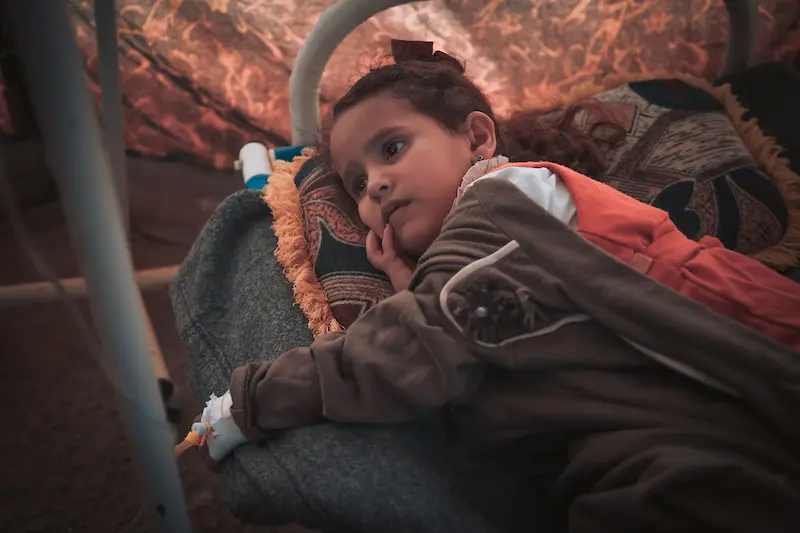
If you have fulfilled your Zakat al-Fitr and wish to make your generosity last long after Ramadan ends, then the International Waqf Fund is the perfect vehicle for ongoing impact. While Zakat al-Fitr feeds a person in need for a single day, a Waqf endowment can feed families and generations for years without end.
The International Waqf Fund — waqf.org — offers a leading model in this field, enabling you to participate in a wide range of Waqf projects including: providing clean water, supporting education, healthcare, orphan sponsorship, and food security initiatives — all operating through Sharia-compliant investment returns.
Just as Zakat al-Fitr purifies your fast, a Waqf share is a Sadaqah Jariyah that purifies your wealth and preserves your legacy, in fulfilment of the words of the Prophet ﷺ:
When a person dies, all their deeds come to an end except three: ongoing charity, beneficial knowledge, or a righteous child who prays for them.” — Narrated by Muslim.